




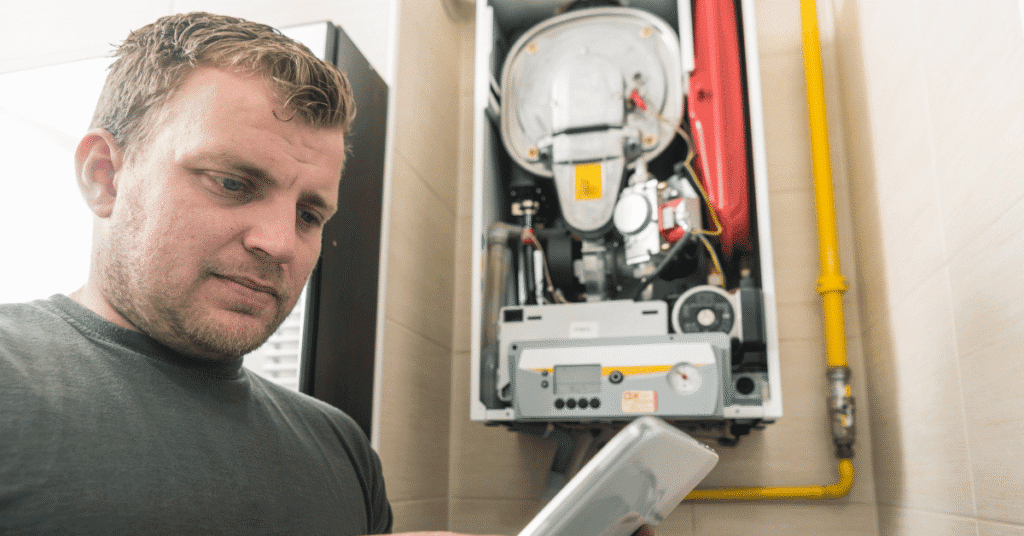
When cold weather hits, the right furnace for your home becomes a vital part of staying safe and warm. This furnace buying guide will help you make informed decisions when buying a new furnace. From AFUE ratings to gas furnace features, we’ll cover everything you need to choose the right heating system for your needs. Whether you’re replacing an old unit or planning a fresh installation, understanding the options is essential for keeping your home comfortable and energy-efficient.
How to Choose the Right Furnace for Your Home?
Type of furnace
Understanding the best type of furnace is one of the first things to consider. The three main types—gas furnace, electric furnace, and oil furnaces – each offer pros and cons depending on your home setup and fuel source availability.
- Gas furnace: Uses natural gas and delivers strong heat output. It’s efficient and ideal for homes with an existing natural gas line.
- Electric furnace: Easier to install and requires less repair, but electricity can raise your operating cost.
- Oil furnaces: Often found in rural areas without natural gas access. They need frequent cleaning and regular maintenance.
Choosing the right furnace depends on how you plan to heat your home efficiently.
How Does a Furnace Work in an HVAC System?
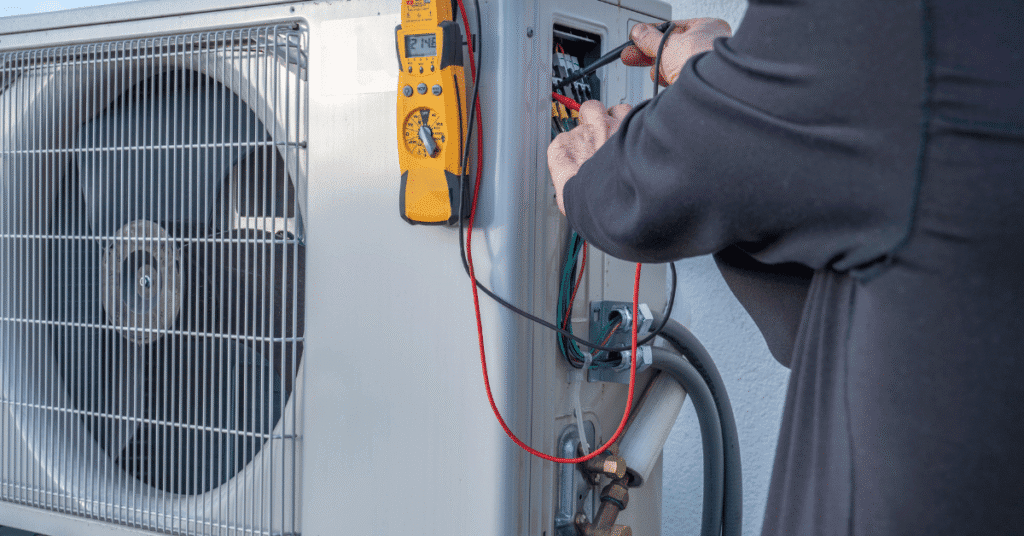
A furnace works by generating warm air and pushing it throughout your home via a duct system. It’s the core of your HVAC system, and its performance affects not only heating, but also air conditioning in many modern systems.
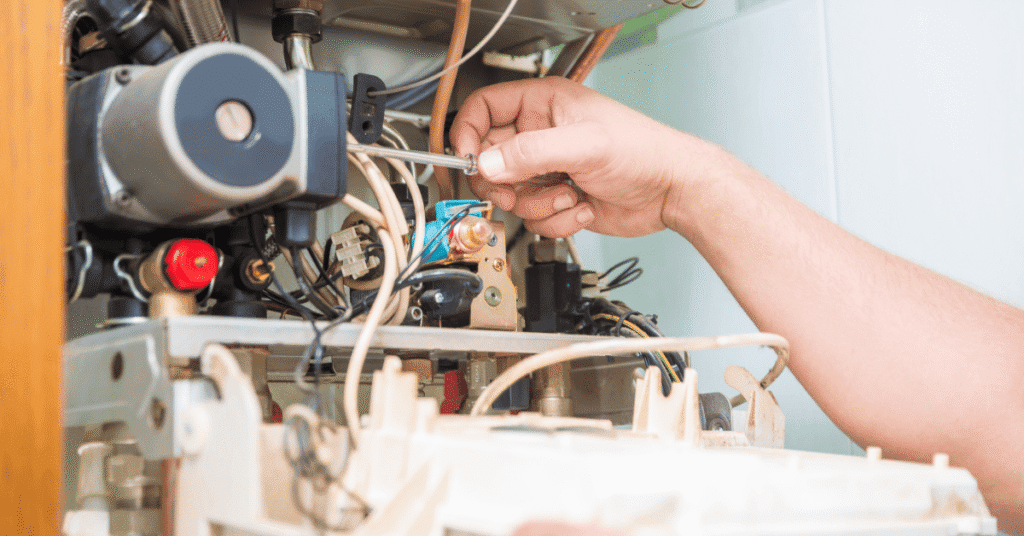
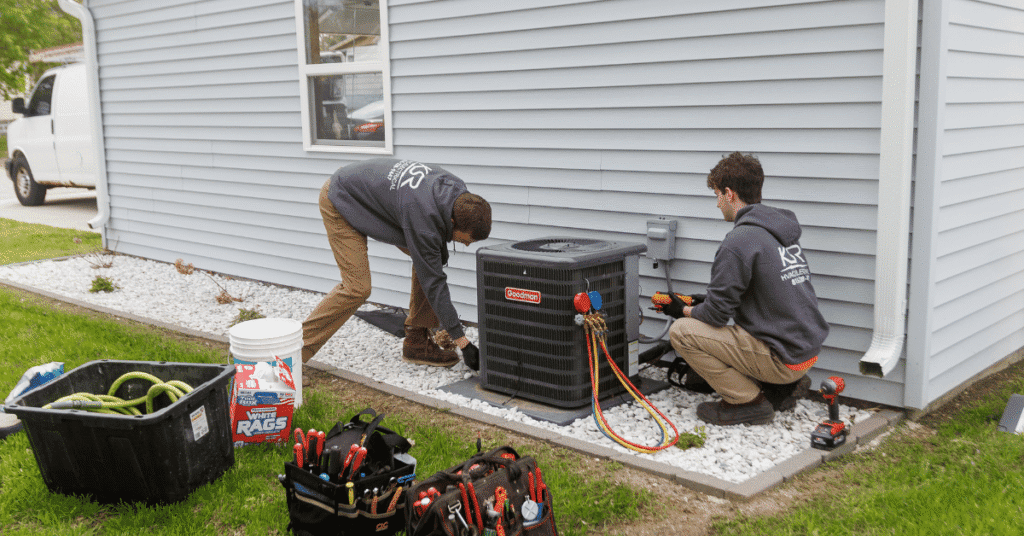
Proper installation, periodic cleaning, and regular repair by a certified HVAC technician ensure your furnace delivers the best performance.
What Is AFUE and Why Is It Important?
AFUE, or Annual Fuel Utilization Efficiency, is a measure of how effectively a furnace converts fuel into heat. A higher AFUE rating means greater furnace efficiency.
- 80% AFUE: Standard efficiency, often found in older furnaces
- 90%–98% AFUE: High-efficiency furnace category, offering the best efficiency
When shopping for a new furnace, a unit with an AFUE of 95%+ ensures long-term savings on energy costs.
What Is the Best Furnace for Your Home?
The best furnace for your home is one that meets your specific heating needs while keeping operating costs low. Factors to consider:
- Fuel type: Natural gas, oil, or electric?
- AFUE rating: Aim for the best efficiency
- Home size: Match the size furnace you need
- Existing HVAC system compatibility
- Budget for installation, repair, and ongoing cleaning
It’s also critical to evaluate the brand of furnace, available warranties, and gas furnace costs.
Why Furnace Size Matters
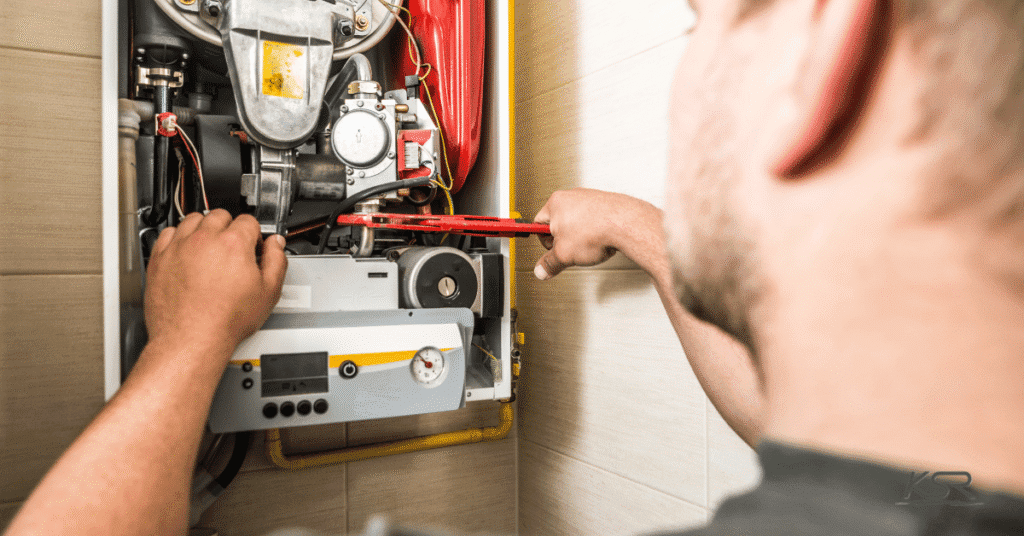
Choosing the right size furnace is essential. A furnace that’s too small won’t keep your home warm, while a bigger furnace might short-cycle and waste energy.
A professional HVAC contractor will calculate the correct furnace size using load calculation formulas, taking into account:
- Square footage
- Ceiling height
- Insulation quality
- Climate zone
Avoiding an oversized furnace ensures optimal furnace running conditions and longevity.
What Are Key Gas Furnace Features?
Modern gas furnace features enhance both comfort and efficiency. Here are things to consider:
- Variable-speed blower: Maintains steady airflow for better temperature control
- Modulating burners: Adjust heat output based on demand
- Sealed combustion: Draws in outdoor air, improving furnace efficiency
These features work best when paired with a smart thermostat, further improving control and energy savings.
How Does the Thermostat Impact Furnace Efficiency?
The thermostat is the command center for your heating system. A programmable or smart thermostat can:
- Prevent overuse of heat
- Increase the life of your furnace
- Help maintain stable temperatures across your entire home
Pairing a high-efficiency furnace with a modern thermostat is one of the simplest ways to choose the right furnace setup.
When Should You Replace Your Old Furnace?
Replacing an old furnace is a big decision. Here are signs that buying a new furnace might be the right choice:
- Frequent repair needs
- Uneven heat distribution
- Rust, corrosion, or visible damage
- Unusual sounds during operation
- High energy costs despite similar usage
If your current unit is over 15 years old and not a high-efficiency furnace, now is the time to upgrade.
What Are the Costs of Buying a Furnace?
The cost of buying a furnace isn’t just the purchase price. You must factor in:
- Installation fees
- Ongoing repair and maintenance
- Fuel costs (gas vs. electric vs. oil)
- Expected life span
- Cleaning needs for ducts and filters
Even though natural gas furnaces may have higher installation costs, they offer better long-term savings when connected to a natural gas line.
How to Keep Your Furnace Running Efficiently?
To keep your furnace running safely and efficiently:
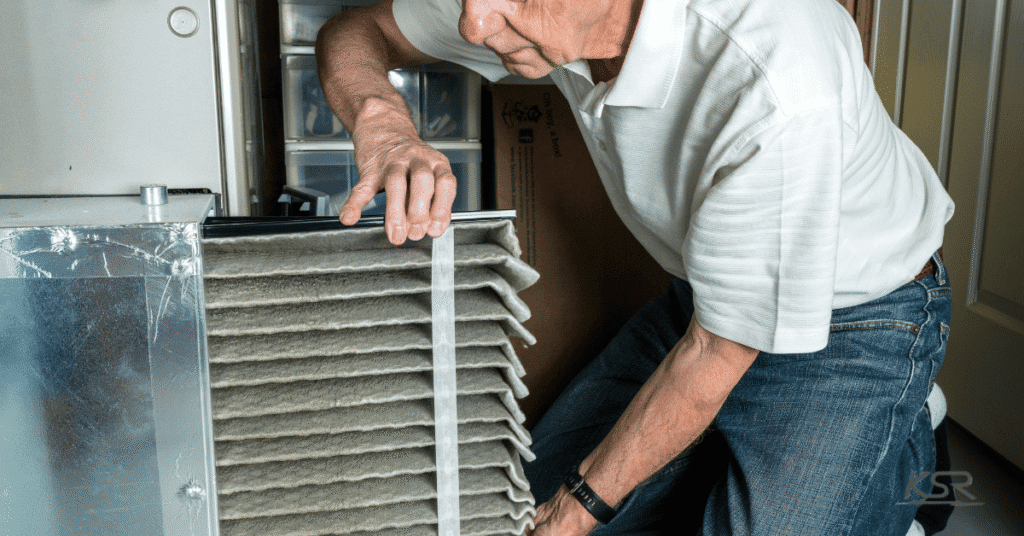
- Schedule yearly cleaning and inspection
- Replace filters regularly
- Seal leaky ducts
- Calibrate your thermostat
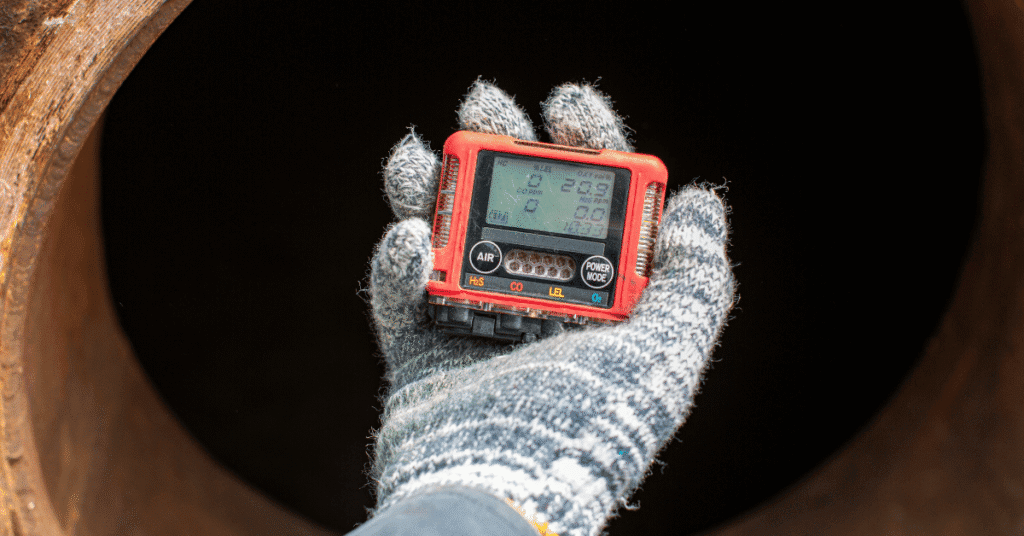
- Have an HVAC technician check for carbon monoxide leaks
Proper repair and maintenance routines ensure you maintain peak furnace efficiency and comfort levels.
Why the Right HVAC Contractor Makes a Difference
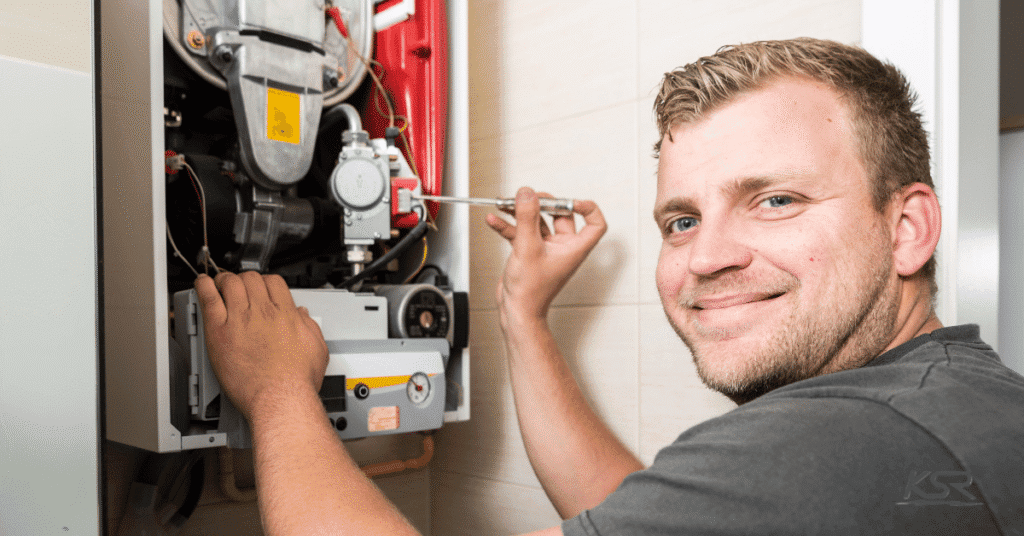
Even the best furnace can underperform if not installed correctly. A reliable HVAC contractor ensures:
- Correct furnace size calculations
- Clean, secure installation
- Post-installation airflow testing
- Warranty documentation and service plans
Choose a team that offers full lifecycle services: repair, maintenance, and upgrades to your heating and air conditioning systems.