




Unexpected power outages are more than just an inconvenience; they can disrupt your daily routine, shut down your HVAC system, and even put your family’s safety at risk. In Illinois, where storms, high winds, and grid disruptions happen throughout the year, having a reliable backup power source is no longer a luxury but a necessity.
When it comes to protecting your home, two popular options often come up: Portable vs Whole House Generator. Both can keep your lights on and your appliances running, but they differ in cost, convenience, safety, and long-term reliability. This guide compares whole-house generators vs portable generators to help you decide which option makes sense for your household.
Why Backup Power Matters in Illinois
Living in the Midwest means facing unpredictable weather. From summer thunderstorms to winter ice storms, a power outage can occur with little warning. A sudden loss of electricity doesn’t just affect comfort it can also lead to:
- Spoiled food in refrigerators and freezers
- Interrupted use of medical equipment
- Security system downtime
- Loss of heating or cooling during extreme temperatures
Having a generator ensures your home remains functional, safe, and comfortable even during extended outages.
What is a Whole-home Generator?
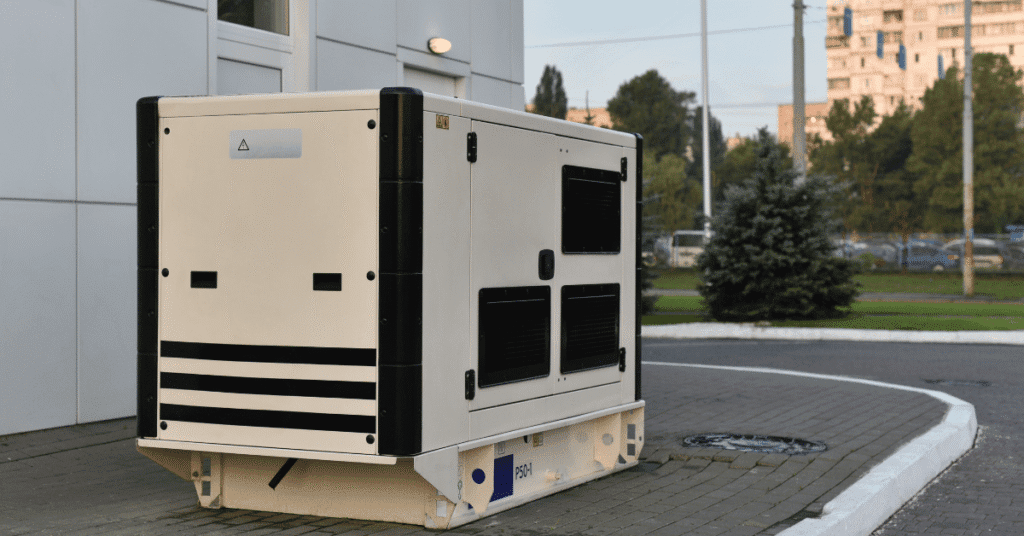
A whole-home generator, often called a home standby generator or whole-house generator, is permanently installed outside your property and connected to your electrical panel. Powered by natural gas or propane, this type of generator automatically activates when the power goes out and restores electricity within seconds.
Key points about whole-home generators:
- Installed by licensed electricians and HVAC professionals during generator installation
- Provide seamless backup power to your entire home, including HVAC systems and appliances
- Designed to handle large electrical loads for long durations
- Require routine cleaning, repair, and maintenance but offer long-term durability
Companies like KSR HVAC & Electrical, LLC specialize in standby generator installation, giving Illinois homeowners a reliable backup power system backed by professional expertise.
What is a Portable Generator?
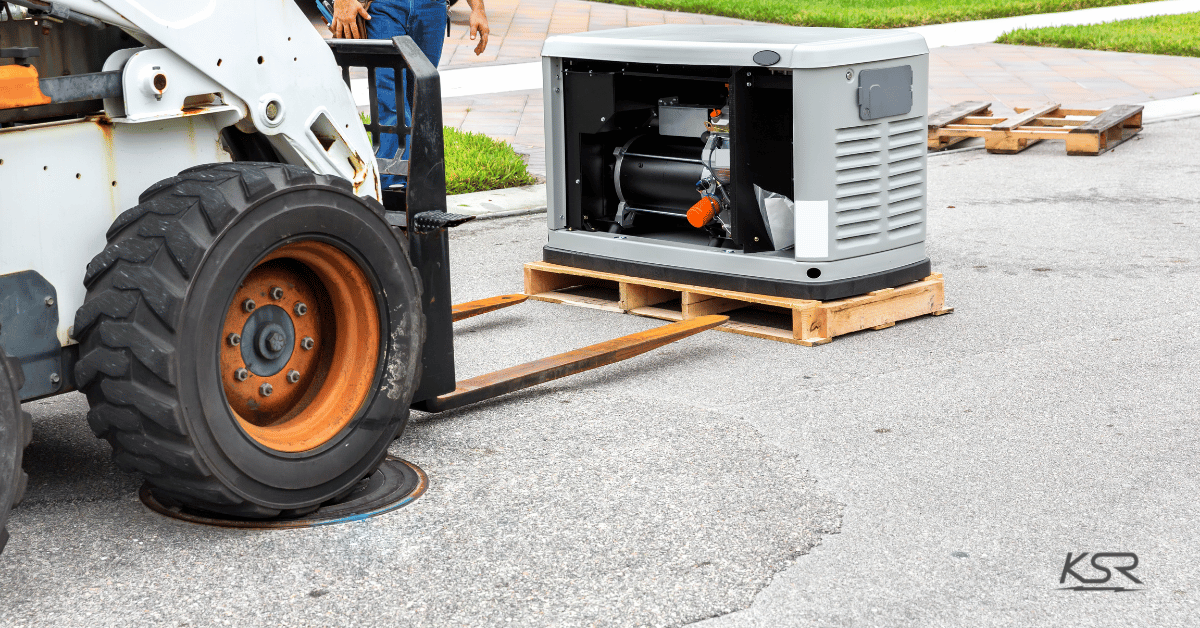
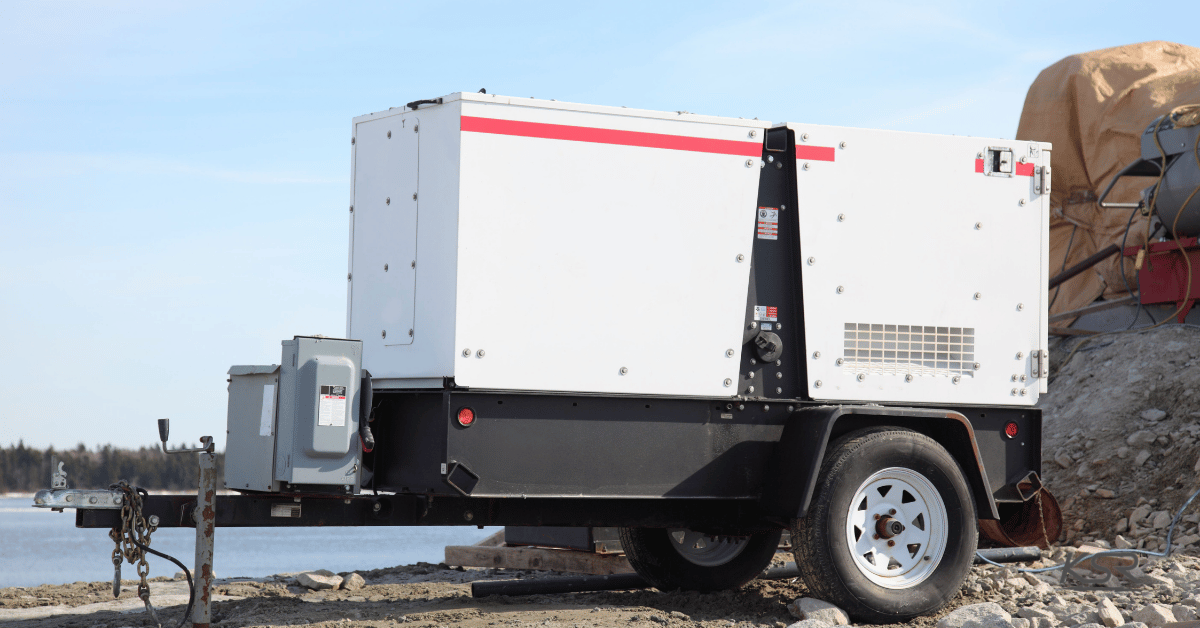
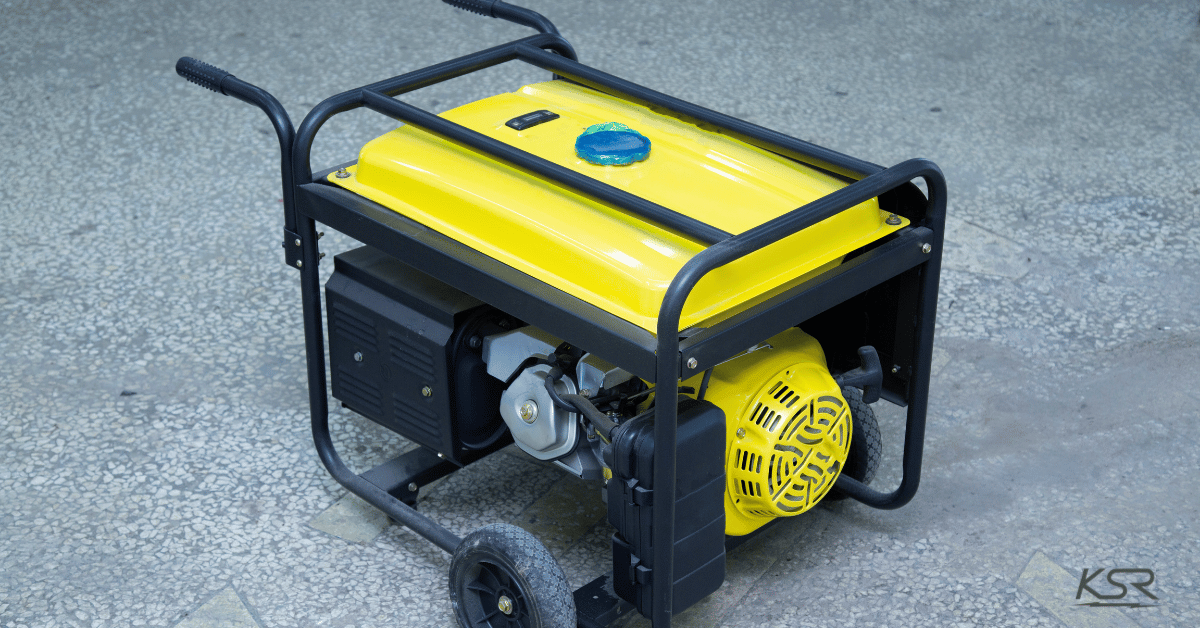
A portable generator is a smaller, movable unit typically fueled by gasoline, propane, or diesel. Unlike a whole-home generator, a portable unit is not permanently installed and must be manually set up each time an outage occurs.
Typical features of portable generators:
- Require manual fueling and effort to start the generator
- Can only provide backup power to selected appliances in your home
- Need extension cords or a manual transfer switch to connect the generator
- Pose safety risks if a homeowner uses a portable generator inside or near windows
While larger portable generators are cheaper upfront, they cannot deliver backup power for your entire home, making them less reliable during extended outages.
Key Differences: Portable vs Whole House Generator
Power Capacity and Coverage
- Whole-home generator: Can power everything in your home, including HVAC, refrigerators, lights, and electronics.
- Portable generator: Limited capacity, best for selected appliances in your home.
Installation and Setup
- Whole-home generator installation: Professionally connected with an automatic transfer switch. Minimal homeowner effort during outages.
- Portable generator: Must move the generator, fuel it, and connect the generator manually each time.
Safety Considerations
- Whole-home: Safe outdoor installation reduces risks of fire or carbon monoxide.
- Portable: Improper setup or indoor use can cause dangerous carbon monoxide exposure.
Maintenance and Lifespan
- Standby generator: Lasts 15–20 years with proper cleaning, inspection, and repair.
- Portable: Lifespan is usually 5–10 years, requiring frequent checks.
Cost Comparison: Short-term vs Long-term Investment
- A whole-home generator installation cost is higher due to equipment, permits, and installation. However, the value of your home increases, and you gain long-term peace of mind.
- A portable generator may seem affordable upfront, but the price of a generator doesn’t reflect ongoing fuel expenses, extension cords, and the inconvenience of manual operation.
Think of it as an upfront cost vs long-term value decision. A whole-home generator offers the best for your home in terms of safety, comfort, and reliability.
When to Choose a Whole-home Generator
A whole-home generator is ideal if:
- You rely on medical appliances in your home that require uninterrupted power
- You work remotely and need a reliable backup power source for internet and computers
- Your HVAC system is essential during harsh Midwest winters and summers
- You want an automatic, low-maintenance solution that runs smoothly every time
When a Portable Generator May Be Enough
A portable model works if:
- You own a small cabin or vacation property with minimal power needs
- You only want to keep a refrigerator, a few lights, and essential devices running
- You’re willing to trade convenience for affordability
The Generator Installation Process with KSR HVAC & Electrical
Professional generator installation ensures safety and long-term efficiency. The process typically includes:
- Consultation & Load Calculation – Choosing the generator size based on the size of your home.
- Permits & Planning – Handling legal paperwork for the installation.
- Installation – Connecting the generator to your home with a transfer switch.
- Testing & Training – Ensuring the generator can power appliances in your home and teaching you operation basics.
- Maintenance – Scheduling cleaning, inspection, and repair to keep your home running smoothly.
Why Choose KSR HVAC & Electrical
Illinois homeowners trust KSR HVAC & Electrical for generator installation because:
- Authorized Generac dealer and contractor
- Licensed HVAC and electrical technicians
- Local service with quick response times
- Dedication to reliable backup power and long-term safety
Conclusion
Both generators and portable generators can help during an outage, but they serve different purposes. A portable generator may be sufficient for short-term use, but for backup power for your entire home, long-term safety, and peace of mind, a whole-home generator installation is the clear choice.
If you want a reliable backup solution for your Illinois home, contact KSR HVAC & Electrical, LLC. Their experienced team can handle everything from generator installation to ongoing repair and service, ensuring your family stays safe when the power goes out.
Frequently Asked Questions
Do I need permits for a whole-home generator?
Yes, and professional installers handle all requirements.
How long does installation take?
Usually one to two days, depending on site conditions.
Can a portable generator run my HVAC system?
Most cannot. A portable vs whole-home generator comparison shows HVAC requires more power.
How often should a generator be serviced?
Standby generators: annually. Portable generators: before and after each use.