Skip to content






Heating, ventilation, and air conditioning (HVAC) systems are the backbone of indoor comfort, whether in a residential home or a busy commercial building. Both a residential HVAC system and a commercial HVAC system are designed to heat and cool spaces, but the differences between residential vs commercial HVAC systems go far beyond size. By learning the differences, homeowners and business owners can make better decisions about installation, repair, cleaning, and maintenance.
At KSR HVAC & Electrical, LLC in Minonk, Illinois, our licensed HVAC technicians work with both residential and commercial HVAC systems. We provide professional HVAC installation, repair, and maintenance for Daikin, Amana, and Goodman equipment, helping residential properties and commercial properties maintain comfort year-round.
What Is a Residential HVAC System?
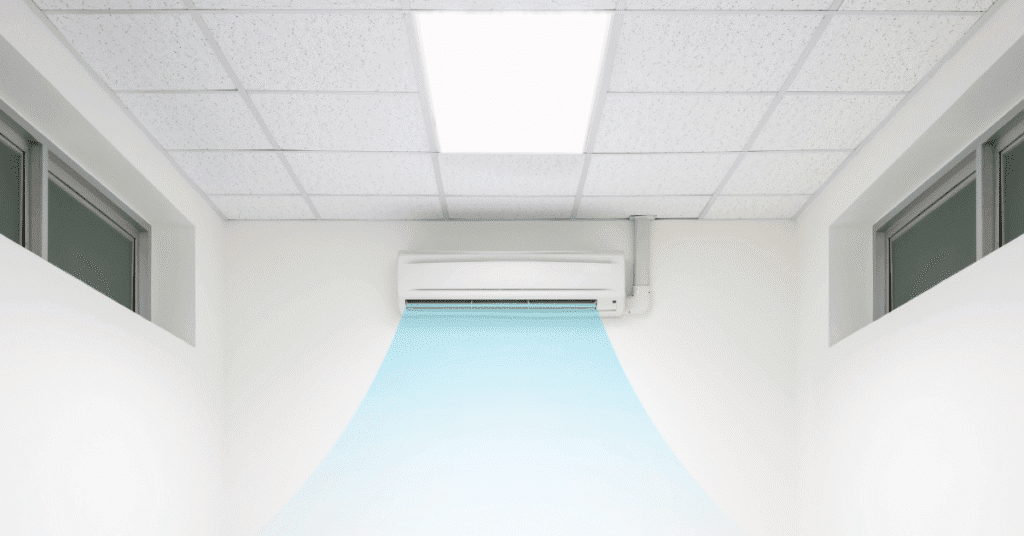
A residential HVAC system is designed for smaller spaces like residential homes and apartments. These systems are built to manage the heating and cooling needs of families while keeping efficiency in mind. A typical residential system includes a furnace, residential AC or heat pump, ductwork, and a thermostat.
Key features of residential HVAC units:
- Affordable and easier to install.
- Simple operation and less complex design.
- Easier for a homeowner or residential HVAC technicians to service and repair.
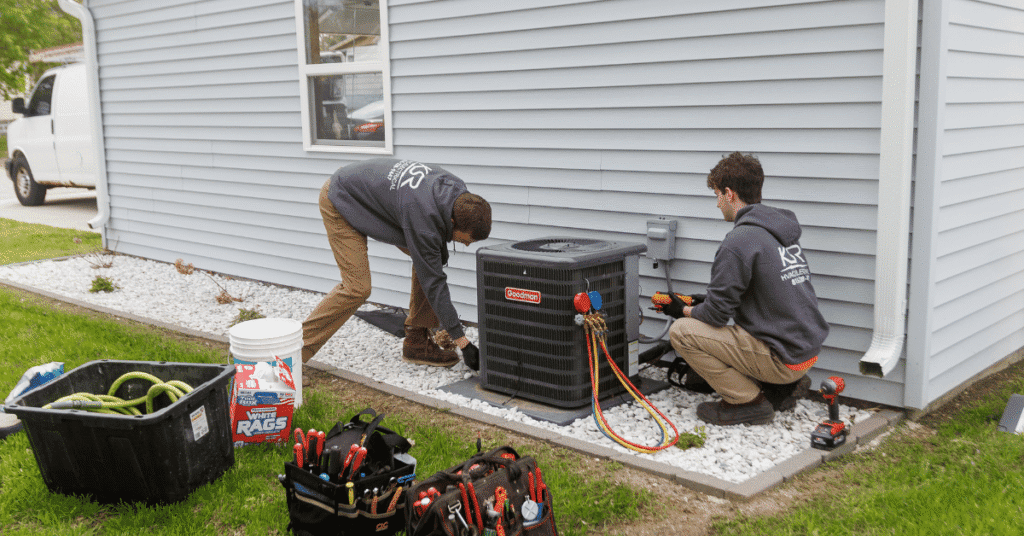
Many residential properties rely on split AC systems with an outdoor condenser and indoor furnace or air handler. These systems are less complex and easier to maintain with regular cleaning, inspection, and seasonal tune-ups.
What Is a Commercial HVAC System?
A commercial HVAC system is built for larger space demands such as office buildings, schools, warehouses, or restaurants. Commercial HVAC systems often include:
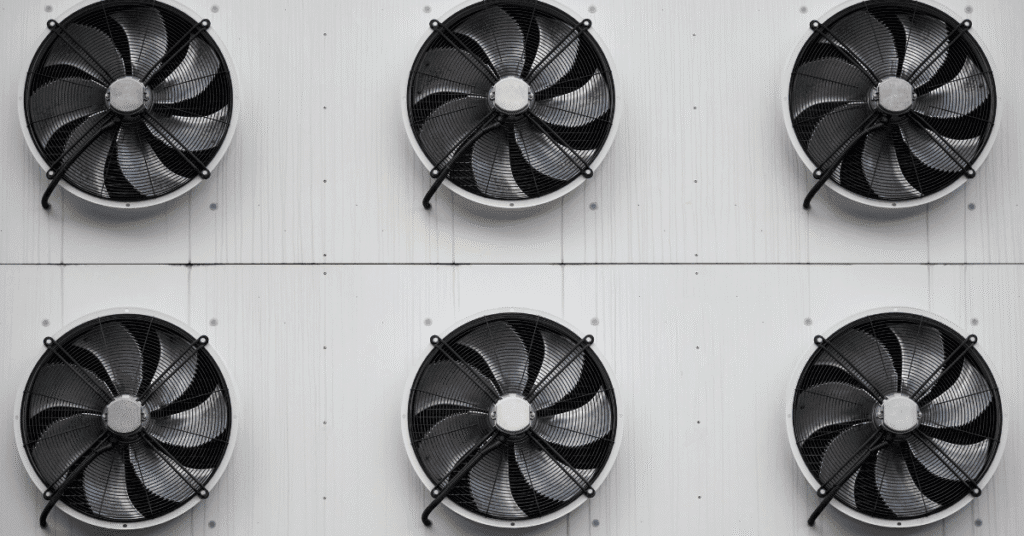
- Rooftop units (RTUs) located on the roof of the building to save indoor space.
- Packaged chillers and commercial HVAC units that handle heavy loads.
- Multi-zone ductwork to address the different heating and cooling needs across multiple floors.
Because commercial HVAC systems are significantly larger than residential units, they require specialized commercial HVAC technicians for installation and repair. Commercial HVAC installation often includes modular systems designed to expand as commercial properties grow.

Size and Complexity
The size of the system is one of the main differences between residential and commercial setups.
- Residential system: Smaller, typically relies on one thermostat for control, and is less complex.
- Commercial system: Significantly larger than residential, modular, and designed for many commercial buildings with varied usage.
Commercial HVAC systems are much larger than residential and more powerful than residential HVAC, built to serve a larger space and handle multiple cooling needs at once.
Design and Installation Differences
- Residential HVAC systems include simpler split setups installed inside the side of the house, attic, or basement. Installation is less complex and more affordable.
- Commercial HVAC systems often sit on the roof of the building and are larger and more complex. These systems feature modular designs, systems may expand over time, and installation must be done by experienced HVAC professionals.
Energy Efficiency Considerations
Both residential and commercial HVAC systems are responsible for climate control, but efficiency levels vary:
- Residential or commercial systems can benefit from smart thermostats. Smart thermostats help reduce wasted energy and adjust temperature to match occupancy.
- Commercial units are often larger than residential units and run for longer hours, so energy efficiency becomes critical to keeping costs down.
Maintenance and Repair
Regular HVAC maintenance keeps systems reliable.
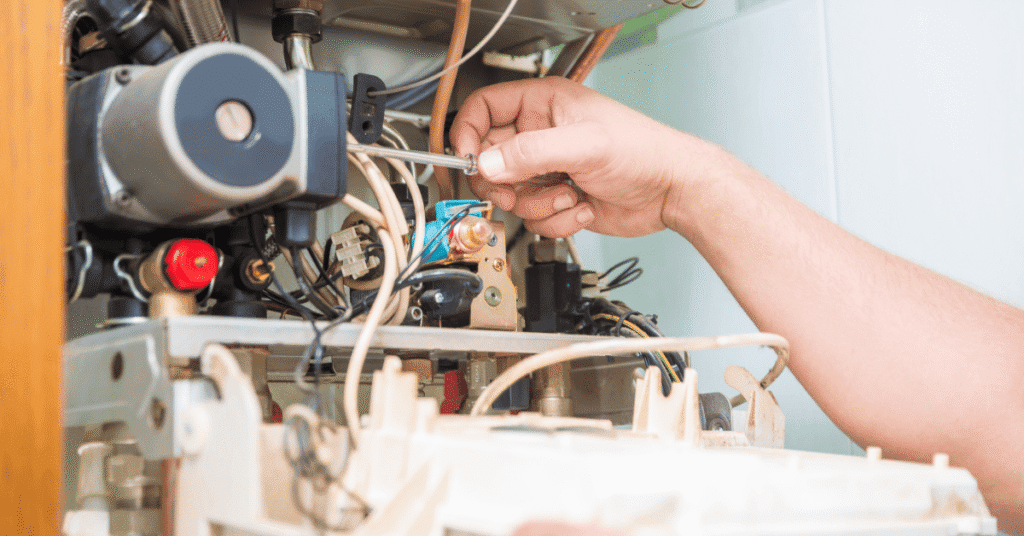
- Residential HVAC systems need seasonal cleaning, inspection, and repair to maintain efficiency.
- Commercial HVAC systems require frequent inspection and specialized service because downtime in a commercial space can be costly.
Our HVAC professionals provide preventative maintenance to keep both residential and commercial AC systems running smoothly.

Ventilation and Air Conditioning Differences
Ventilation systems may differ greatly between residential buildings and commercial properties.
- Residential AC systems are typically duct-based with simpler ventilation needs.
- Commercial air conditioning systems serve multiple zones with more complex systems designed to meet strict airflow requirements.
Proper ventilation is crucial in many commercial spaces to ensure employee and customer comfort.
Professional HVAC Service Matters
Whether you own residential or commercial property, hiring a professional HVAC technician is vital. Proper installation ensures that systems are designed to handle heating and cooling needs, while expert repair extends equipment life.
Professional HVAC service includes:
- Accurate generator sizing of the HVAC system to fit your property.
- Reliable installation and repair by trained HVAC technicians.
- Preventative HVAC maintenance to reduce long-term costs.
Major Differences Between Residential vs Commercial HVAC
Here are the major differences between residential and commercial systems at a glance:
- Size and complexity – Commercial HVAC systems are larger and more complex systems.
- Location – Many commercial HVAC units are installed on rooftops, while residential units are placed on the side of the house.
- Usage – Residential systems serve smaller homes; commercial systems serve office buildings and many commercial buildings.
- Cost – Commercial HVAC systems require higher investment and specialized care.
These are the main differences that determine whether you need a residential unit or a commercial HVAC system.

Conclusion
Both residential and commercial HVAC systems are responsible for heating and cooling spaces, but they differ in size, design, and complexity. Residential HVAC systems are simpler, easier to repair, and suited for families, while commercial HVAC systems require specialized technicians, advanced designs, and higher investment for commercial properties.
At KSR HVAC & Electrical, LLC, we install, repair, and maintain both types of HVAC equipment. Whether it’s a residential unit or a large commercial HVAC system, our HVAC professionals provide expert installation, thorough cleaning, and dependable repair services for your home or business.